
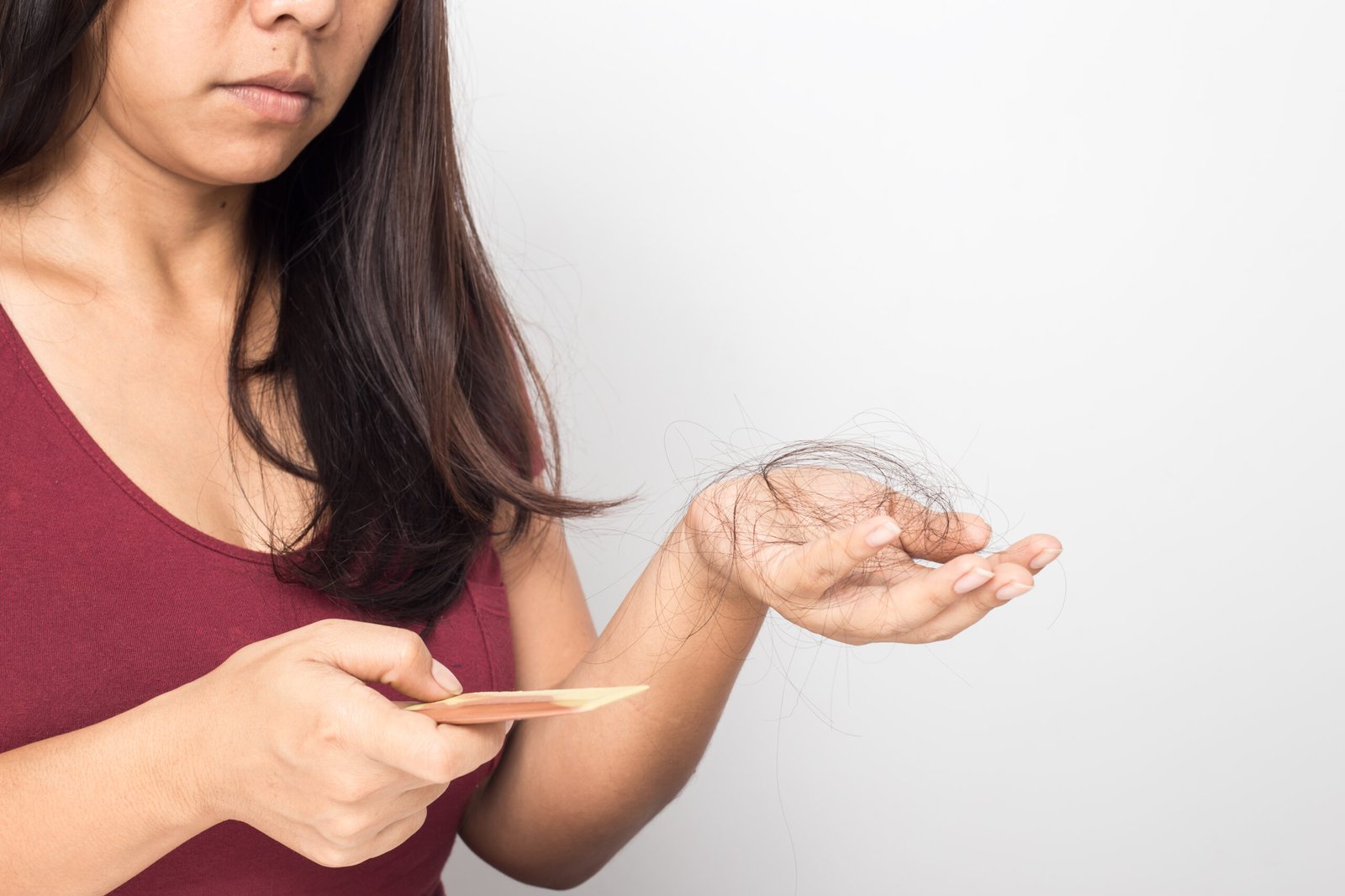
Hair Loss
Hair is more than just strands growing from our scalp—it’s an extension of our identity, confidence, and overall well-being. When hair begins to thin or fall out more than usual, it can be emotionally distressing, regardless of age or gender. While styling habits and stress are often blamed, the real cause sometimes lies deeper: in our biology.
Understanding the medical triggers of hair loss is crucial for finding long-term solutions. This blog breaks down the most common medical conditions behind hair thinning and loss in both men and women, helping you identify what might be affecting your own hair health or that of someone you care about.
- Androgenetic Alopecia (Male & Female Pattern Baldness)
This is the most common cause of hair loss in both genders.
What happens:
- In men, it often starts with a receding hairline and thinning at the crown.
- In women, it usually appears as a general thinning across the scalp, especially at the part line.
Root cause:
Genetics and hormonal shifts, particularly dihydrotestosterone (DHT), lead to gradual shrinkage of hair follicles, causing shorter and finer hair strands over time.
- Telogen Effluvium
A temporary condition where more hair than usual enters the “telogen” (resting) phase of the hair growth cycle.
Common triggers:
- Major surgery
- Childbirth
- Crash dieting
- Sudden weight loss
- High fever
- Severe emotional stress
Signs: - Sudden, noticeable shedding all over the scalp
- Hair often comes out in clumps during washing or brushing
Good to know:
The condition is usually reversible once the trigger is resolved.
- Alopecia Areata
An autoimmune disorder where the immune system mistakenly attacks healthy hair follicles.
Symptoms:
- Sudden appearance of round bald patches
- Can occur on the scalp, eyebrows, eyelashes, or body
Progression:
It may resolve on its own or progress to total hair loss (alopecia totalis) or complete body hair loss (alopecia universalis).
- Thyroid Disorders
Both hypothyroidism and hyperthyroidism can impact hair growth.
Impact on hair:
- Slowed hair growth
- Dry, brittle texture
- Thinning across the entire scalp
Additional symptoms to watch: - Fatigue
- Weight changes
- Cold intolerance (in hypothyroidism)
- Anxiety or palpitations (in hyperthyroidism)
A simple blood test can confirm thyroid hormone imbalances.
- Polycystic Ovary Syndrome (PCOS)
A common hormonal disorder in women of reproductive age.
Hair-related symptoms:
- Thinning hair on the scalp
- Excess facial/body hair growth due to high androgen levels
Other signs: - Irregular periods
- Weight gain
- Acne
PCOS-induced hair loss tends to be chronic but can be managed with medical guidance and lifestyle changes.
- Iron Deficiency Anemia
Iron is essential for producing hair cell protein. A deficiency can stunt growth and cause excessive shedding.
Who’s most at risk:
- Women with heavy menstrual bleeding
- Vegetarians/vegans not getting enough iron-rich foods
- People with gastrointestinal issues or malabsorption
Signs to watch: - Fatigue
- Pale skin
- Brittle nails
- Shortness of breath
- Autoimmune Diseases (e.g., Lupus)
Lupus and other autoimmune disorders can damage skin and hair follicles.
Hair symptoms:
- Diffuse thinning
- Breakage near the scalp
- Patchy hair loss with inflammation or scaling
Other systemic symptoms such as joint pain, fatigue, and skin rashes can indicate an autoimmune condition.
- Seborrheic Dermatitis and Scalp Psoriasis
Chronic scalp conditions that lead to inflammation, itching, and flaking.
How they affect hair:
- Irritated follicles can weaken and shed hair
- Excess buildup and inflammation block healthy growth
Signs: - Red, scaly patches
- Greasy flakes
- Persistent itchiness
Managing these conditions helps preserve a healthy scalp environment for hair growth.
- Trichotillomania
A psychological condition where individuals compulsively pull out their hair.
Characteristics:
- Noticeable bald spots
- Hair length variability in affected areas
- Often linked to anxiety, stress, or trauma
This condition requires psychological support in addition to scalp care.
- Hormonal Changes (Pregnancy, Menopause, Birth Control)
Hormonal fluctuations can disrupt the hair cycle.
Examples:
- Postpartum shedding is common due to estrogen withdrawal after birth.
- Menopause may trigger hair thinning as estrogen drops.
- Starting or stopping birth control can affect the hormonal balance and hair growth temporarily.
These changes are usually temporary, but proper care and medical consultation can help.
Recognizing the Signs: When to See a Doctor
Hair loss that is sudden, patchy, or accompanied by other symptoms like fatigue, joint pain, or weight changes, often points to an underlying medical issue. Don’t wait too long to seek professional advice. Dermatologists, endocrinologists, and even gynecologists can play a role in diagnosing the root cause.
Final Thoughts: Hair Loss Isn’t Just About Hair
Understanding the medical roots of hair loss is empowering. It allows you to move beyond the surface-level fixes and tackle the issue from within. Whether it’s a hormonal imbalance, nutrient deficiency, or an autoimmune condition, identifying the trigger is the first step to recovery.
With the right combination of medical insight, lifestyle adjustments, and targeted care, it’s possible to restore not just your hair—but also your confidence.