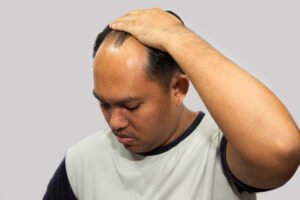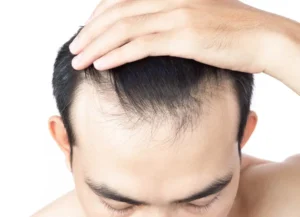
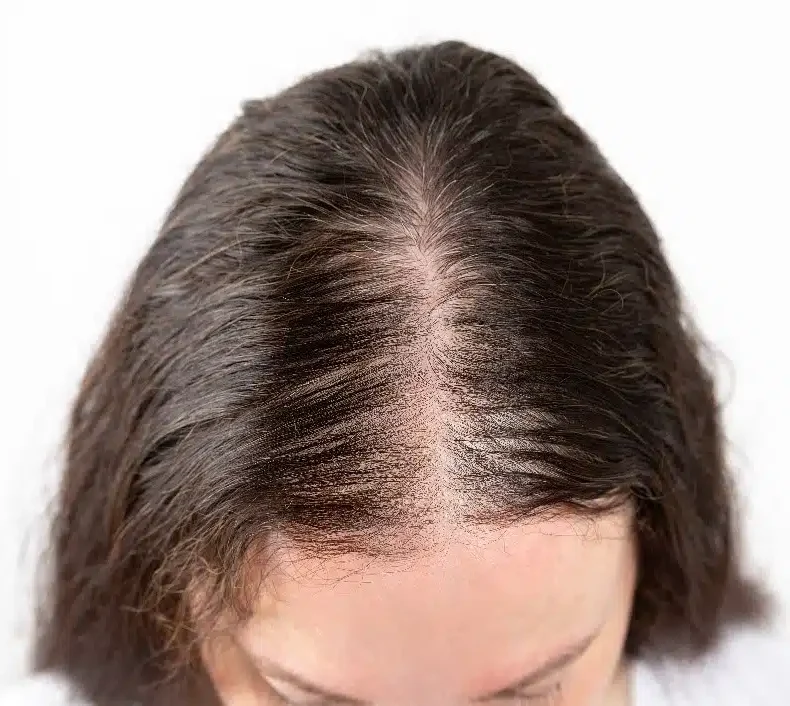
Hair loss can be a difficult and emotional experience for anyone, but for a young woman, it often feels like a deeply personal struggle. I never imagined I would face this challenge, but here I am, sharing my journey in the hopes that it will help others who may be going through something similar.
In this blog post, I’ll walk you through my personal experience with hair loss, the causes I discovered along the way, and the strategies and treatments that ultimately helped me regain not only my hair but also my confidence. If you’re struggling with hair loss, know that you are not alone, and there are ways to manage it.
How My Hair Loss Journey Began
It all started a few years ago when I began noticing more hair than usual in my brush and on the shower floor. I brushed it off at first, thinking it was just a normal part of life. But when I started to notice visible thinning around my crown and temples, I couldn’t ignore it anymore.
As a young woman in my early 20s, I never thought I would have to worry about hair loss. I watched my mom and older family members deal with thinning hair, but I figured it was something that only affected people as they got older. So, when my hair started falling out, I was caught completely off guard and didn’t know where to turn.
The Emotional Impact of Hair Loss
Hair is often tied to our sense of identity, especially for women. It can affect our self-esteem, how we see ourselves, and how others perceive us. When I first noticed the thinning patches, I felt a deep sense of shame and embarrassment. I avoided looking in the mirror and started styling my hair in ways that would hide the thinning areas.
I didn’t want to talk about it with my friends or family because I didn’t want to seem vain or insecure. But the truth was, I was both. I felt frustrated and hopeless, and I often wondered if this was something I would have to live with forever.
Identifying the Causes of My Hair Loss
At first, I wasn’t sure what was causing my hair loss. I wasn’t experiencing any major life changes, and I hadn’t noticed any other health issues. But after doing some research and consulting with my doctor, I learned that there are several potential causes for hair loss in young women.
1. Hormonal Imbalances
One of the primary causes of hair loss I discovered was hormonal imbalances, particularly related to PCOS (polycystic ovary syndrome). I had been diagnosed with PCOS a few years prior but hadn’t realized that it could be contributing to my hair thinning. Hormonal shifts, especially increased levels of androgens (male hormones), can lead to hair thinning along the scalp.
2. Stress and Anxiety
The stress of dealing with hair loss itself only worsened the problem. Emotional and physical stress can trigger a condition called telogen effluvium, where hair goes into the shedding phase prematurely. The more stressed I became, the more hair I seemed to lose.
3. Nutritional Deficiencies
I learned that nutrition plays a critical role in maintaining healthy hair. I had been focusing on a fast-paced, often unhealthy lifestyle, which didn’t give my body the nutrients it needed to promote hair growth. Lack of essential vitamins like iron, biotin, and vitamin D can contribute to thinning hair.
What Helped Me on My Journey
While the emotional struggle was difficult, I knew I had to take action if I wanted to regain my hair and feel confident again. Here’s what ultimately helped me on my hair loss journey:
1. Consulting a Dermatologist
My first step was seeing a dermatologist. It was important to get a professional opinion to rule out any serious underlying issues. My doctor confirmed that my hair loss was most likely due to a combination of hormonal imbalances and stress. We discussed potential treatments, including topical treatments like minoxidil and ways to manage my stress levels.
2. Switching to a Hair Care Routine Designed for Thinning Hair
I stopped using the harsh shampoos and conditioners that I had been using and switched to a gentle, nourishing hair care routine. I used shampoos and conditioners designed for thinning hair, which contained ingredients like biotin and keratin to promote strength and volume. Scalp massages with natural oils, such as rosemary oil, also became part of my routine to improve blood circulation.
3. Adopting a Hair-Healthy Diet
I made a conscious effort to improve my diet and include more foods that support hair health. I added more leafy greens, nuts, seeds, and lean proteins to my meals. I also took daily supplements with biotin, vitamin D, and iron, which helped address my nutritional deficiencies.
4. Managing Stress and Anxiety
Recognizing that stress was a major contributor to my hair loss, I made a commitment to better manage it. I started practicing mindfulness and meditation daily, which helped me cope with the emotional toll of hair loss. I also began exercising regularly to relieve stress and boost overall well-being.
5. Exploring Hair Restoration Treatments
In addition to lifestyle changes, I also considered medical treatments. I began using minoxidil as recommended by my dermatologist. Though it took a few months to see results, I eventually noticed new hair growth and thicker areas on my scalp. I also tried PRP therapy (platelet-rich plasma), which helped stimulate hair growth by injecting my own plasma into my scalp.
The Results
It’s been over a year since I began my hair loss journey, and while I’m not back to my thick, full hair of my youth, I’m much happier with the progress I’ve made. My hair is noticeably thicker, and I’ve seen significant regrowth in areas that were once sparse. I still experience some shedding, but it’s more manageable, and the new hair growth gives me hope that my hair will continue to improve.
More importantly, I’ve learned to focus on self-care, and I’ve stopped letting my hair define my self-worth. Hair loss is just one part of me, and it doesn’t take away from who I am or my confidence.
Conclusion: You Are Not Alone
Hair loss is a challenging experience, especially for young women, but it doesn’t define you. Through my own journey, I’ve learned that it’s possible to regain not just your hair but also your confidence. If you’re dealing with hair loss, I encourage you to take action by seeking professional advice, making changes to your routine, and caring for both your hair and your emotional health.
Remember, every journey is unique, and it’s important to be patient with yourself as you explore the options that work best for you.
Have you gone through a similar hair loss journey? Feel free to share your experiences or any tips that have worked for you in the comments below.