Does Poor Sleep or Diet Affect Hair Growth? The Truth Revealed
When it comes to hair health, most people immediately think of topical treatments or hair growth serums. But what if the real key to healthy, strong hair lies in the choices you make off the scalp? Your sleep habits and diet play a significant role in the health and growth of your hair. Poor sleep and a subpar diet can cause more damage than you might realize.
Let’s dive into the truth about how sleep and diet directly impact your hair—and what you can do to ensure your hair grows stronger, faster, and healthier.
How Poor Sleep Impacts Hair Growth
We all know that sleep is crucial for overall well-being, but it’s also essential for your hair. During sleep, your body enters a recovery mode, and hair growth is no exception. A lack of quality rest can disrupt this vital recovery process and lead to hair-related issues.
The Connection Between Sleep and Hair Health
- Hair Growth Cycle: Hair grows in cycles: anagen (growth phase), catagen (transitional phase), and telogen (resting phase). Inadequate sleep can shorten the anagen phase, meaning your hair may not have enough time to grow before it sheds prematurely.
- Hormonal Imbalance: Sleep deprivation disrupts hormone levels, especially cortisol, which is your body’s stress hormone. Elevated cortisol can trigger telogen effluvium, a type of hair shedding caused by stress.
- Reduced Blood Flow: Lack of sleep may reduce circulation to your scalp, hindering nutrient and oxygen delivery to your hair follicles, which are essential for healthy growth.
Signs of Poor Sleep Affecting Hair Growth
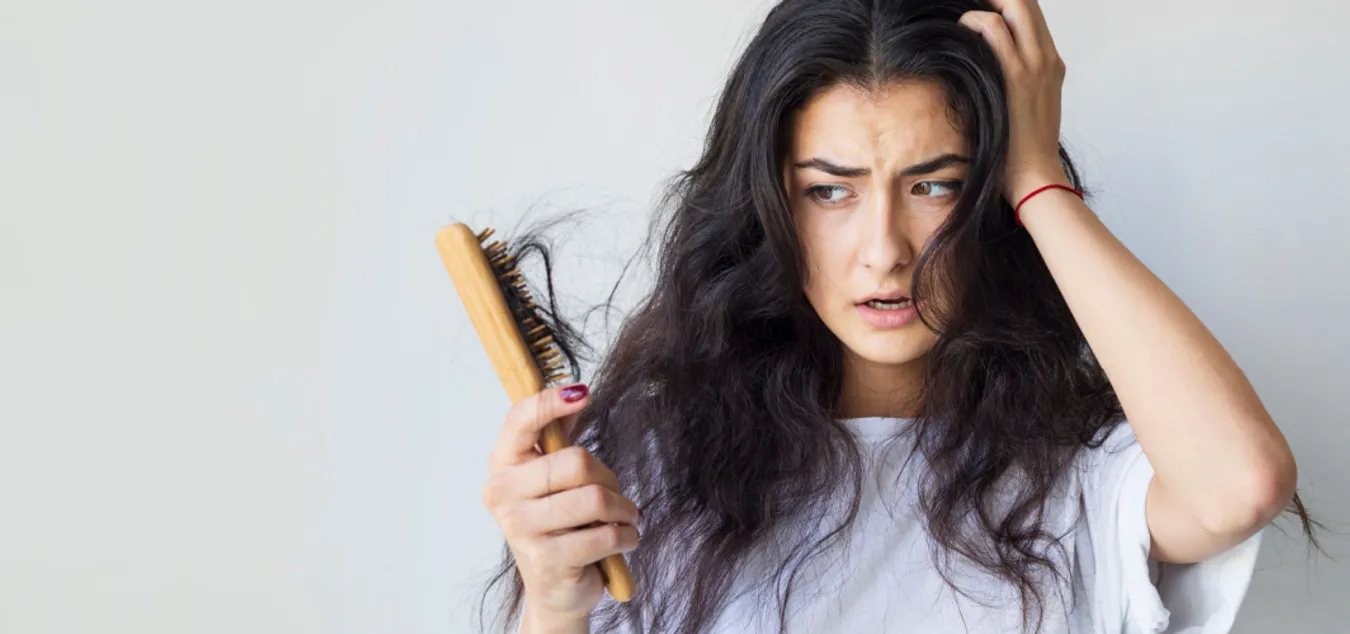
- Increased hair shedding: If your hair is thinning or falling out more than usual after a period of poor sleep, it could be a sign.
- Dull, lifeless hair: Lack of sleep can cause your hair to look flat and dry due to reduced oil production.
- Slow hair growth: If you notice that your hair hasn’t grown as fast as expected, sleep may be the culprit.
How Diet Affects Hair Growth
Just like your skin and body need nutrients, so does your hair. What you eat plays a huge role in the health and strength of your strands. A poor diet lacking in essential vitamins and minerals can result in hair loss, thinning, and slow growth.
Nutrients Essential for Healthy Hair Growth
- Protein: Hair is primarily made of keratin, a protein. A lack of protein in your diet can weaken hair, causing it to break easily or fall out.
- Sources: Chicken, fish, eggs, legumes, and tofu.
- Iron: Iron deficiency can lead to anemia, which is a leading cause of hair loss, especially in women.
- Sources: Spinach, beans, red meat, and fortified cereals.
- Vitamins A and C: These vitamins are crucial for healthy hair follicles and scalp health. Vitamin A helps in the production of sebum, a natural oil that keeps the scalp moisturized, while Vitamin C is important for collagen production.
- Sources: Carrots, sweet potatoes, oranges, and strawberries.
- Biotin: Known as the “hair vitamin,” biotin strengthens hair and promotes growth. A deficiency can lead to brittle hair and hair loss.
- Sources: Eggs, nuts, seeds, and avocados.
- Omega-3 Fatty Acids: These essential fats nourish hair follicles and improve hair thickness.
- Sources: Salmon, walnuts, chia seeds, and flaxseeds.
- Zinc: Zinc plays a key role in tissue growth and repair, including hair tissues. A deficiency can lead to hair thinning and shedding.
- Sources: Pumpkin seeds, lentils, and cashews.
The Effects of a Poor Diet on Hair Health
- Thinning hair: Lack of nutrients can cause your hair to become weaker and thinner, eventually leading to visible hair loss.
- Brittle, dry strands: Without proper nutrition, hair can become dry and brittle, making it more prone to breakage.
- Slower growth: Poor diet can slow down the hair growth cycle, meaning your hair may not be growing at the rate it should.
The Role of Stress in Both Sleep and Diet
Both poor sleep and poor diet can contribute to higher levels of stress, which, in turn, can exacerbate hair loss. When you’re stressed, your body releases cortisol, which can lead to hair shedding and thinning. Additionally, stress can interfere with both your sleep patterns and eating habits, creating a vicious cycle.
- Sleep and Stress: Stress often leads to poor sleep, which reduces your body’s ability to repair itself, including the repair of hair follicles.
- Diet and Stress: When stressed, many people turn to unhealthy foods, which can lack the nutrients your hair needs to stay strong and grow.
Tips for Improving Hair Health Through Sleep and Diet
Now that we know the impact of poor sleep and diet on hair growth, here’s what you can do to improve both.
1. Prioritize Quality Sleep
- Aim for 7-9 hours of sleep per night.
- Establish a calming bedtime routine to help you wind down (e.g., reading, meditation, or taking a warm bath).
- Try to keep your sleep environment cool, quiet, and dark to promote restful sleep.
2. Eat a Hair-Healthy Diet
- Incorporate protein-rich foods to support the keratin in your hair.
- Ensure you get iron and zinc through leafy greens, legumes, and nuts.
- Add omega-3 fatty acids to nourish your scalp and follicles.
- Eat a variety of fruits and vegetables for vitamin C and vitamin A to promote a healthy scalp.
3. Manage Stress Effectively
- Practice relaxation techniques like deep breathing, yoga, or mindfulness meditation to keep stress in check.
- Make time for regular physical activity to reduce tension and promote better sleep.
- Consider talking to a therapist or counselor if stress is significantly affecting your daily life.
Final Thoughts
In the journey to maintaining healthy, strong hair, it’s easy to focus on topical products or quick fixes. However, the foundation of hair health often lies in the basics: adequate sleep and a balanced diet. By improving these two aspects of your lifestyle, you’ll be giving your hair the best chance to grow strong and vibrant.
So, the next time you’re struggling with hair concerns, remember that sleep and diet matter just as much as the products you use. Take the time to nurture your body from the inside out, and your hair will thank you.