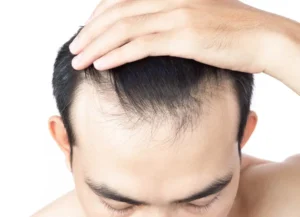
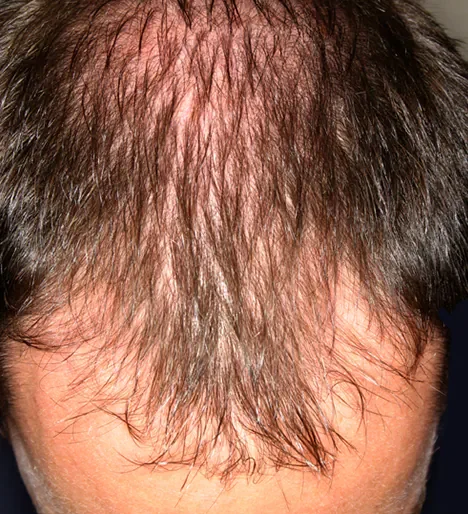
Hair loss affects millions of people worldwide, cutting across age, gender, and lifestyle. Two names that frequently pop up in treatment conversations are Minoxidil and Finasteride—arguably the most recognized medications in the fight against thinning hair.
But how do they actually work? Are they equally effective? And most importantly, which one is right for you?
Let’s break it down.
Understanding the Basics
Before comparing the two, it helps to understand what each treatment does—and doesn’t—do.
Originally developed as a blood pressure medication, Minoxidil was found to have an interesting side effect: it made hair grow. Today, it’s available over-the-counter in topical form and is FDA-approved for both men and women.
- Form: Foam or liquid applied to the scalp
- Strengths: 2% and 5% concentrations
- Use: Twice daily for men; once or twice daily for women (based on formulation)
Finasteride was originally used to treat prostate enlargement. It works by inhibiting an enzyme that converts testosterone into DHT (dihydrotestosterone), a hormone known to shrink hair follicles.
- Form: Oral tablet (prescription only)
- Strengths: 1 mg for hair loss
- Use: Once daily
How They Work: Mechanisms Compared
Minoxidil: Encouraging Blood Flow and Follicle Activity
- Stimulates hair follicles to enter the growth phase
- Increases blood circulation to the scalp
- May widen hair follicles, resulting in thicker strands
It doesn’t block DHT, so it’s more about reviving weak follicles than stopping the root cause of male or female pattern baldness.
Finasteride: Targeting the Root Cause
- Blocks the 5-alpha reductase enzyme, which lowers DHT levels
- Prevents further miniaturization of follicles
- Helps maintain existing hair and, in some cases, regrow it
Its strength lies in slowing or halting progressive hair loss—especially in men.
Effectiveness: What Does the Research Say?
Both medications have been clinically proven to work—but not equally or in the same way.
- Improves hair density in 60–70% of users after 4–6 months
- More effective in earlier stages of hair thinning
- Requires ongoing use to maintain results
- Reduces scalp DHT by up to 60%, helping prevent further loss
- In clinical trials, 90% of men saw hair loss slow or stop
- Regrowth is seen in about 65% of users, typically over 3–6 months
🔍 Insight: Finasteride is often more effective at stopping hair loss, while Minoxidil is better at stimulating new growth in weakened follicles.
Side Effects: What to Expect
- Scalp irritation or dryness
- Shedding phase during early use (temporary)
- Rare: unwanted facial hair (especially in women)
Generally well-tolerated, especially in foam form which has fewer additives.
- Possible sexual side effects (low libido, erectile dysfunction) in 1–2% of users
- Risk of depression or anxiety (rare, but documented)
- Not suitable for women of childbearing age due to birth defect risk
Most side effects are reversible upon stopping the medication, but it’s important to monitor changes closely.
Who Should Use Which?
Here’s a quick breakdown:
| Concern | Best Option |
| Early thinning | Minoxidil |
| Preventing future hair loss | Finasteride |
| Postpartum or hormonal loss | Minoxidil (under guidance) |
| Receding hairline | Finasteride (better results) |
| Diffuse thinning | Combination or Minoxidil |
| Avoiding pills | Minoxidil |
| Sensitive to side effects | Minoxidil (topical only) |
Can You Use Both Together?
Absolutely—and many dermatologists recommend it.
may offer synergistic benefits, combining growth stimulation with hormonal control. This duo approach can be more effective than either alone, especially for moderate to severe hair loss.
Note: Always consult a medical professional before starting or combining treatments.
Realistic Expectations
Both treatments take time—you won’t see overnight miracles. Most users need to wait 3 to 6 months to notice visible results, and consistency is key.
Also, the moment you stop, progress can reverse within months. Think of these treatments more like “hair maintenance” rather than a permanent fix.
Final Thoughts: Which Is Better?
There’s no one-size-fits-all answer.
- If you’re looking for a non-invasive, OTC option with minimal systemic risk,
- If your goal is to halt DHT-related loss, especially in male pattern baldness,
- For best results, consider a combined regimen—especially if you’re under the guidance of a hair specialist.
Ultimately, the “better” treatment is the one that fits your lifestyle, goals, and medical profile.