Hair Oils Really Promote Growth? A Look at Coconut, Castor, and More
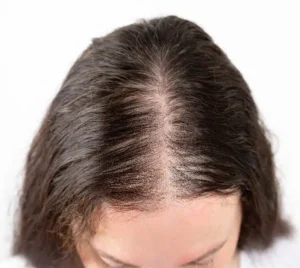
Oiling hair is a ritual passed down through generations across cultures. From warm scalp massages to overnight treatments, oils have been trusted for their nourishing properties. But in a world of hair serums and laser caps, one question lingers: Do hair oils really promote growth—or is it just tradition?
Let’s explore the science, benefits, and truth behind the most talked-about hair oils, including coconut, castor, argan, and rosemary.
Hair Oils- The Science of Hair Growth: What Oils Can and Can’t Do
Hair grows from follicles beneath the scalp’s surface. Each strand passes through a cycle—growth (anagen), rest (telogen), and shedding (catagen). Several factors influence this cycle:
- Genetics
- Hormonal balance
- Nutrition and blood flow
- Scalp health
Hair oils don’t “create” new follicles or alter genetics. What they can do is improve scalp condition, reduce breakage, nourish strands, and in some cases, stimulate circulation—which supports healthy growth indirectly.
1. Coconut Oil: The Moisture Lock/Hair Oils
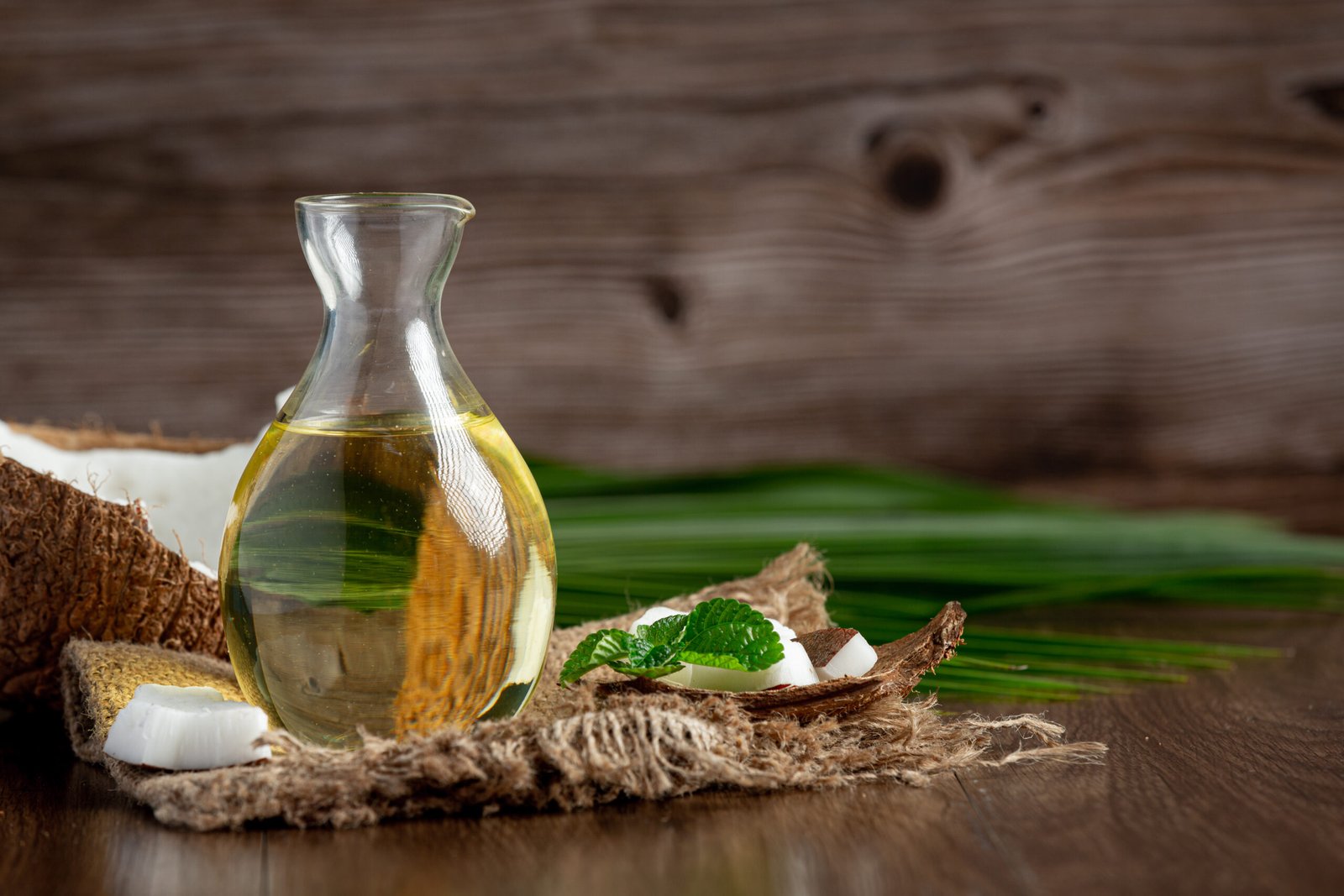
Coconut oil is rich in lauric acid, a fatty acid that deeply penetrates the hair shaft better than most oils. It acts as a barrier, reducing protein loss during washing and heat styling.
Benefits:
- Prevents breakage by strengthening the hair shaft
- Reduces protein loss in both damaged and healthy hair
- Antimicrobial properties help with dandruff and fungal buildup
How to use:
- Apply to damp hair from mid-lengths to ends or massage gently into the scalp.
- Leave for 30 minutes to overnight.
- Wash thoroughly with a gentle shampoo.
Verdict: Great for preventing hair loss due to breakage. Doesn’t directly trigger growth, but helps retain length.
2. Castor Oil: The Thickness Myth?/Hair Oils
Castor oil has developed a cult following for its supposed hair-thickening superpowers. It contains ricinoleic acid, which has anti-inflammatory and antimicrobial properties.
Claimed benefits:
- Enhances blood flow to the scalp
- Strengthens roots and prevents premature shedding
- Promotes a healthier environment for hair to grow
The reality:
While there’s anecdotal evidence and small studies supporting its effects on scalp health, scientific proof of castor oil directly promoting new hair growth is limited.
How to use:
- Due to its thick texture, mix with a lighter oil (like jojoba or almond).
- Massage into the scalp and leave for a few hours or overnight.
- Shampoo well to remove residue.
Verdict: May support healthy hair and scalp, especially when massaged in. The growth effect varies from person to person.
3. Argan Oil: Liquid Gold for Shine/Hair Oils
Extracted from the Moroccan argan tree, this oil is packed with vitamin E, antioxidants, and essential fatty acids.
Benefits:
- Protects hair from heat and UV damage
- Reduces frizz and improves elasticity
- Enhances shine and softness
Use case:
Argan oil isn’t known for stimulating growth but is excellent for protecting existing hair, making it a great choice for damaged or color-treated strands.
Verdict: More of a protector and polisher than a growth promoter. Essential for maintaining hair health.
4. Rosemary Oil: Backed by Studies/Hair Oils
Among essential oils, rosemary has gained attention for its potential to stimulate hair growth—and some studies compare its effectiveness to minoxidil.
Science says:
- Encourages nerve growth and improves circulation
- One study found it just as effective as 2% minoxidil in reducing hair loss
How to use:
- Mix a few drops with a carrier oil (like coconut or jojoba).
- Apply to the scalp and massage gently.
- Use 2–3 times per week for best results.
Verdict: Promising natural option for stimulating growth, especially in thinning areas.
5. Jojoba Oil: Scalp Soother/Hair Oils
Jojoba oil closely mimics the skin’s natural sebum. While it doesn’t directly cause hair to grow faster, it creates a clean, balanced scalp environment.
Benefits:
- Reduces scalp dryness and flakiness
- Helps remove buildup and unclog follicles
- Lightweight and non-greasy
Best use:
Ideal as a base for essential oils or light moisturizing between washes.
Verdict: Not a growth stimulator but crucial for overall scalp health and hair strength.
Key Takeaways: What to Expect (and What Not To)/Hair Oils
It’s important to set realistic expectations when using hair oils. They aren’t miracle workers—but they are effective tools for:
- Reducing hair breakage
- Improving scalp circulation when massaged in
- Supporting a healthier scalp microbiome
- Enhancing shine, softness, and moisture retention
They will not:
- Instantly regrow bald patches
- Replace medical treatments for genetic hair loss
- Work the same for everyone
How to Maximize Results
To get the most out of hair oils:
- Be consistent: Use regularly (2–3 times a week is a good start).
- Massage with intention: Scalp massage enhances blood flow and absorption.
- Don’t overdo it: Too much oil can clog follicles or lead to buildup.
- Pair with a healthy lifestyle: Nutrition, sleep, and stress management matter just as much.
Final Thoughts: The Role of Oils in Hair Growth/Hair Oils
Hair oils aren’t a magic bullet, but they are powerful allies in maintaining and improving the conditions that allow your hair to thrive. Whether you’re battling dryness, thinning, or just want to improve your hair care routine, the right oil can make a visible difference—with patience and consistency.
Ultimately, the best hair growth routine combines science-backed ingredients, personalized care, and a bit of old-fashioned self-love. And sometimes, that starts with something as simple as a warm oil massage.