Hair loss is a common issue that affects both men and women. Whether it’s due to genetics, stress, hormones, or diet, the search for the right treatment can be overwhelming. Two popular approaches to treating hair loss are and dermatological treatments, each with its own philosophy and methodology. But how do you choose between them? And which one is more effective?
In this blog post, we’ll explore both options in depth, comparing the benefits and drawbacks of Ayurvedic remedies and dermatological treatments for hair loss, so you can make an informed decision on which path to take for healthier, fuller hair.
What Is Ayurvedic Treatment?
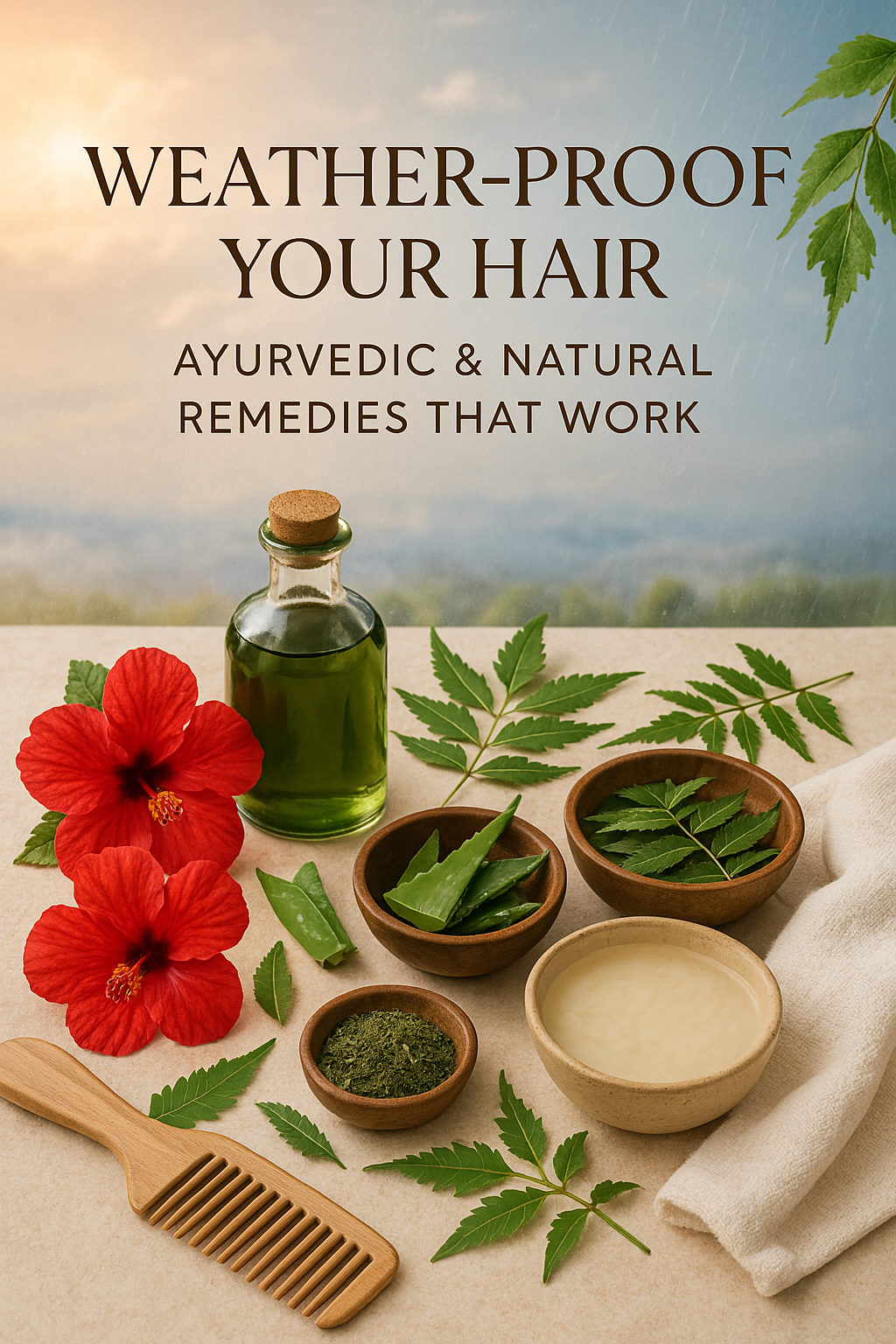
ancient system of medicine that originated in India more than 3,000 years ago. It focuses on balancing the body’s energies, known as doshas, through natural remedies like herbs, oils, and diet adjustments. Ayurvedic treatments for hair loss often rely on natural ingredients and holistic approaches to restore balance to the scalp and promote hair growth.
Common Treatments
- Bhringraj: Often called the “King of Herbs” for hair, bhringraj is believed to stimulate hair follicles and improve blood circulation to the scalp.
- Amla: Rich in Vitamin C, amla is used to strengthen hair, prevent premature greying, and improve scalp health.
- Henna: Known for its ability to strengthen and condition hair, henna also helps maintain scalp health.
- Fenugreek: Used for its rich nutrient profile, fenugreek is believed to nourish the hair and promote hair growth.
- Essential oils: Ayurvedic oils like neem, sesame, and coconut oil are commonly used to massage the scalp and nourish hair follicles.
treatments emphasize preventative care and long-term results, but they may take time to show visible effects due to their gradual approach.
What Are Dermatological Treatments for?
Dermatological treatments for hair loss are usually scientific, evidence-based solutions administered or recommended by dermatologists. These treatments often include prescription medications, topical treatments, and medical procedures aimed at addressing the root cause of hair loss.
Common Dermatological Treatments
- Minoxidil: A topical treatment that stimulates hair growth and is FDA-approved for use in both men and women. It works by increasing blood flow to the scalp and enlarging hair follicles.
- Finasteride: An oral medication that works by blocking the conversion of testosterone to DHT, a hormone responsible for hair loss in men. It is effective in reducing hair thinning and promoting regrowth.
- Platelet-Rich Plasma (PRP): A medical procedure where the patient’s own blood is processed to extract platelets, which are then injected into the scalp to stimulate hair growth.
- Hair Transplants: In this surgical procedure, healthy hair follicles are taken from a donor site and transplanted to areas of thinning or baldness.
- Laser Therapy: Low-level laser therapy (LLLT) uses light to stimulate hair follicles and encourage regrowth.
Dermatological treatments often show faster results compared to methods but may come with side effects or costly procedures.
Ayurvedic vs. Dermatological Treatments: A Side-by-Side Comparison
1. Effectiveness
- Treatments focus on holistic care and often yield gradual results. They work well for individuals looking for a natural, long-term solution to hair loss. However, the effectiveness can vary based on individual needs and the specific ingredients used.
- Dermatological: Dermatological treatments tend to provide faster, more noticeable results, particularly with medications like minoxidil and finasteride. However, they may not work for everyone, and results can plateau over time.
2. Safety
- Treatments are generally safe as they use natural ingredients. However, it’s essential to check for any allergies or sensitivities to certain herbs and oils. Consulting with an Ayurvedic practitioner ensures personalized and safe use.
- Dermatological: While dermatological treatments are often FDA-approved, they may come with side effects, especially with medications like finasteride (which can cause sexual dysfunction) or minoxidil (which can lead to scalp irritation). Hair transplants and PRP treatments, although effective, carry risk of infection and post-surgical complications.
3. Cost
- Treatments are generally cost-effective compared to medical treatments. The cost of herbs and oils can be relatively low, but consistency is key, and the process may take longer.
- Dermatological: Dermatological treatments, especially advanced ones like PRP or hair transplants, can be quite expensive. Ongoing treatments like minoxidil or finasteride may also require a continuous investment.
4. Convenience
- Treatments can be incorporated into your daily routine, such as using oils, herbs, and nutritional supplements. However, they may require more time and commitment to see visible results.
- Dermatological: Dermatological treatments like minoxidil or finasteride are relatively easy to incorporate into your daily routine, but some, such as PRP or hair transplants, require medical visits and may involve a longer recovery period.
5. Sustainability
- Treatments are generally sustainable and promote overall health, which can contribute to long-term hair growth. They focus on preventing further damage and nourishing hair follicles.
- Dermatological: While dermatological treatments can be highly effective, long-term use may be required for continued results. In some cases, hair loss may return once the treatment is stopped, especially with medications like minoxidil.
Which Treatment Is Right for You?
Choose Treatments If:
- You prefer a natural, holistic approach to hair care.
- You’re looking for long-term solutions without immediate results.
- You want to avoid medications or surgical procedures.
- You enjoy the idea of using herbs and oils as part of your daily routine.
- You are willing to commit to a consistent regimen for several months to see results.
Choose Dermatological Treatments If:
- You need faster results and are open to using medications or undergoing procedures.
- You’re looking for scientifically backed treatments like minoxidil, PRP, or hair transplants.
- You’re comfortable with potential side effects and willing to pay for professional treatments.
- You’ve tried other remedies and are looking for a more targeted approach to hair loss.
Conclusion: The Best Approach
There’s no one-size-fits-all solution to hair loss. Whether you choose Ayurvedic or dermatological treatments depends on your personal preferences, budget, and how quickly you want to see results.
- If you’re seeking a natural, long-term solution and are willing to commit to a routine, Ayurvedic treatments might be the best option for you.
- If you want faster results and are comfortable with medical treatments or procedures, dermatological options may be more effective.
Ultimately, it’s crucial to consult with a healthcare professional or a dermatologist to discuss your options and choose the approach that aligns best with your hair goals and overall health.
Have you tried Share your experience in the comments below!