
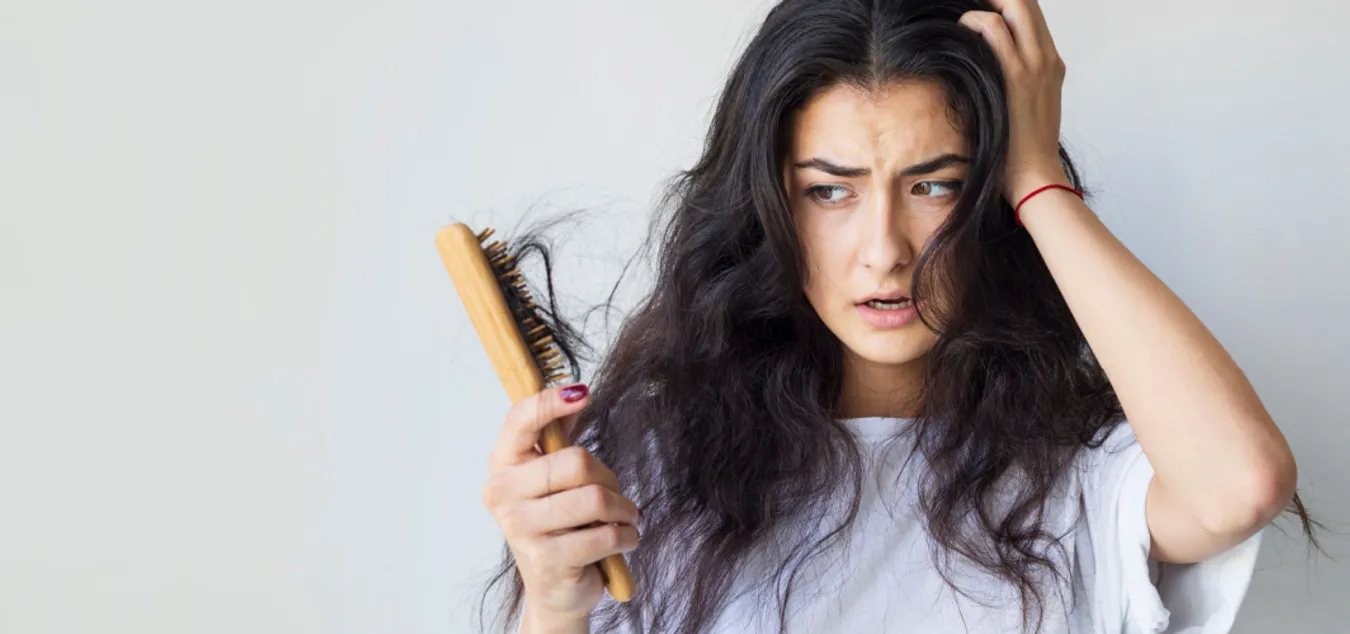
Thinning hair can feel like a silent transformation—gradual, often unnoticed at first, and deeply personal. Whether it’s triggered by stress, aging, hormones, or genetics, one thing is clear: your hair deserves a care routine that supports its journey back to strength.
Creating a tailored hair care routine for thinning hair isn’t about loading your bathroom shelf with the trendiest products. It’s about understanding your scalp, respecting the health of your strands, and building habits that promote resilience over time.
Let’s walk through how to build a thoughtful, effective routine—step by step.
Understanding the Nature of Thinning Hair
Before diving into the routine, it’s important to clarify: thinning hair doesn’t always mean hair loss. It can include:
- Reduced volume at the roots
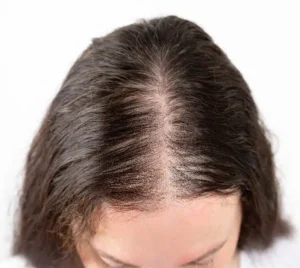
- Wider parting or scalp visibility
- Increased breakage
- More hair shedding than usual
These changes often indicate that your hair is becoming more fragile and needs a gentler, more nourishing approach.
Step 1: Start with a Healthy Scalp
Think of the scalp as the soil from which your hair grows. If it’s dry, inflamed, or clogged, your strands can’t thrive.
What to do:
- Use a mild, pH-balanced shampoo 2–3 times a week. Avoid sulfates that strip natural oils.
- Exfoliate the scalp weekly using a gentle scrub or brush to remove buildup.
- Massage regularly with fingers or a scalp tool to boost blood circulation.
Pro tip:
Look for shampoos that contain ingredients like niacinamide, salicylic acid, or peppermint oil for scalp stimulation and cleanliness.
Step 2: Choose the Right Cleanser and Conditioner
Harsh formulas can accelerate thinning by weakening already fragile strands. Instead, select products designed to strengthen and protect.
Look for:
- Volumizing or densifying shampoos that won’t weigh the hair down
- Lightweight conditioners with keratin, biotin, or plant-based proteins
Avoid:
- Heavy silicones
- Sulfates
- Over-conditioning at the scalp (apply from mid-lengths to ends)
Step 3: Reinforce with Leave-Ins and Serums
The right leave-in treatment can provide both immediate cosmetic volume and long-term support for healthier hair.
Consider:
- Root-boosting sprays for a fuller look
- Peptide or growth-factor serums to support the follicle environment
- Lightweight hair oils with argan or jojoba to reduce frizz and breakage
Apply these to towel-dried hair and avoid products with alcohol that can dry the scalp.
Step 4: Be Gentle with Styling
Excessive heat and tension are the enemies of thinning hair. Your strands are more vulnerable and need a softer touch.
Tips for gentle styling:
- Air dry when possible, or use a diffuser on low heat
- Avoid tight hairstyles that pull at the roots (like slick ponytails or buns)
- Use satin or silk pillowcases to reduce friction overnight
- Detangle with a wide-tooth comb or soft-bristle brush from the ends upward
Step 5: Feed Your Hair from Within
No hair care routine is complete without internal support. Nutrition plays a vital role in the strength and growth of each strand.
Essential nutrients:
- Iron: A deficiency can trigger shedding
- Zinc: Supports follicle health
- Protein: Hair is primarily made of keratin
- Biotin and B-vitamins: Promote cellular renewal
- Omega-3 fatty acids: Help moisturize the scalp
Consider adding leafy greens, eggs, nuts, and fatty fish to your diet—or consult a healthcare provider about supplements if needed.
Step 6: Consistency Over Complexity
The best routine is one you can stick with. Focus on a simple regimen done consistently, rather than trying every new product or hack.
Your minimalist starter routine might look like:
- Monday: Wash + Scalp Massage + Leave-in serum
- Wednesday: Dry shampoo or light scalp refresh
- Friday: Wash + Scalp exfoliation + Conditioner + Volumizing spray
- Daily: Gentle brushing + Nutrition support + Stress management
Step 7: Know When to Seek Help
If your hair continues to thin despite a strong routine, it’s time to involve a professional.
You may benefit from:
- A dermatologist evaluation for underlying causes
- Blood tests for iron, thyroid, or hormone levels
- Prescription treatments like minoxidil or low-level laser therapy
Getting the right diagnosis can make your routine far more effective.
Final Thoughts: Gentle Care, Lasting Confidence/Thinning Hair
Thinning hair is not a life sentence—it’s a signal. A signal to slow down, tune in, and create a nurturing space for your hair to recover.
By focusing on scalp health, gentle care, and nutritional balance, you lay the foundation for stronger, fuller strands over time. And perhaps more importantly, you reclaim a sense of agency over your beauty and well-being.
Consistency, compassion, and a little scalp massage can go a long way.


Pingback: Meal Proven 5 Tips for Busy People Who Want Better Hair
Pingback: Nutrients for Hair Growth: Proven 10 Nutrients
Pingback: Hair Problems Every Guy Faces and How to Fix Them naturally in 2025