Hair Loss After Pregnancy
Bringing a new life into the world is a powerful, transformative experience. But along with the joy and exhaustion of new motherhood, many women face an unexpected and often unsettling surprise—postpartum hair loss.
If your once-thick locks are suddenly shedding at an alarming rate, you’re not alone. And more importantly, you’re not doing anything wrong.
Let’s explore why hair loss happens after pregnancy, how long it typically lasts, and what you can do to support your hair’s healthy return.
Understanding Postpartum Hair Loss
During pregnancy, your body undergoes profound hormonal shifts—and your hair is along for the ride. Many pregnant women notice thicker, shinier hair thanks to increased estrogen levels that prolong the growth phase of hair follicles.
But after delivery, when hormone levels suddenly drop, that growth boost comes to an abrupt end. The result? A phenomenon called telogen effluvium, or postpartum shedding.
What’s Happening Biologically in Hair Loss After Pregnancy?
- During pregnancy: Elevated estrogen keeps hair in the anagen (growth) phase longer. Less shedding = fuller hair.
- After delivery: Estrogen drops sharply. Hairs that were “paused” in growth now shift en masse into the telogen (resting) phase and fall out—usually around 2 to 4 months postpartum.
This isn’t permanent hair loss—it’s your body resetting the natural hair cycle.
When Does It Start—and Stop?/Hair Loss After Pregnancy
Every woman’s body is different, but here’s a general timeline:
- 2–4 months postpartum: Shedding becomes noticeable
- 4–6 months: Peak shedding occurs
- 6–12 months: Hair begins to recover and regrow
If hair loss continues beyond a year or is accompanied by other symptoms (like fatigue, weight changes, or brittle nails), it’s worth checking in with a healthcare provider to rule out conditions like thyroid imbalances or iron deficiency.
What Postpartum Hair Loss Looks Like/Hair Loss After Pregnancy
It might show up in various ways:
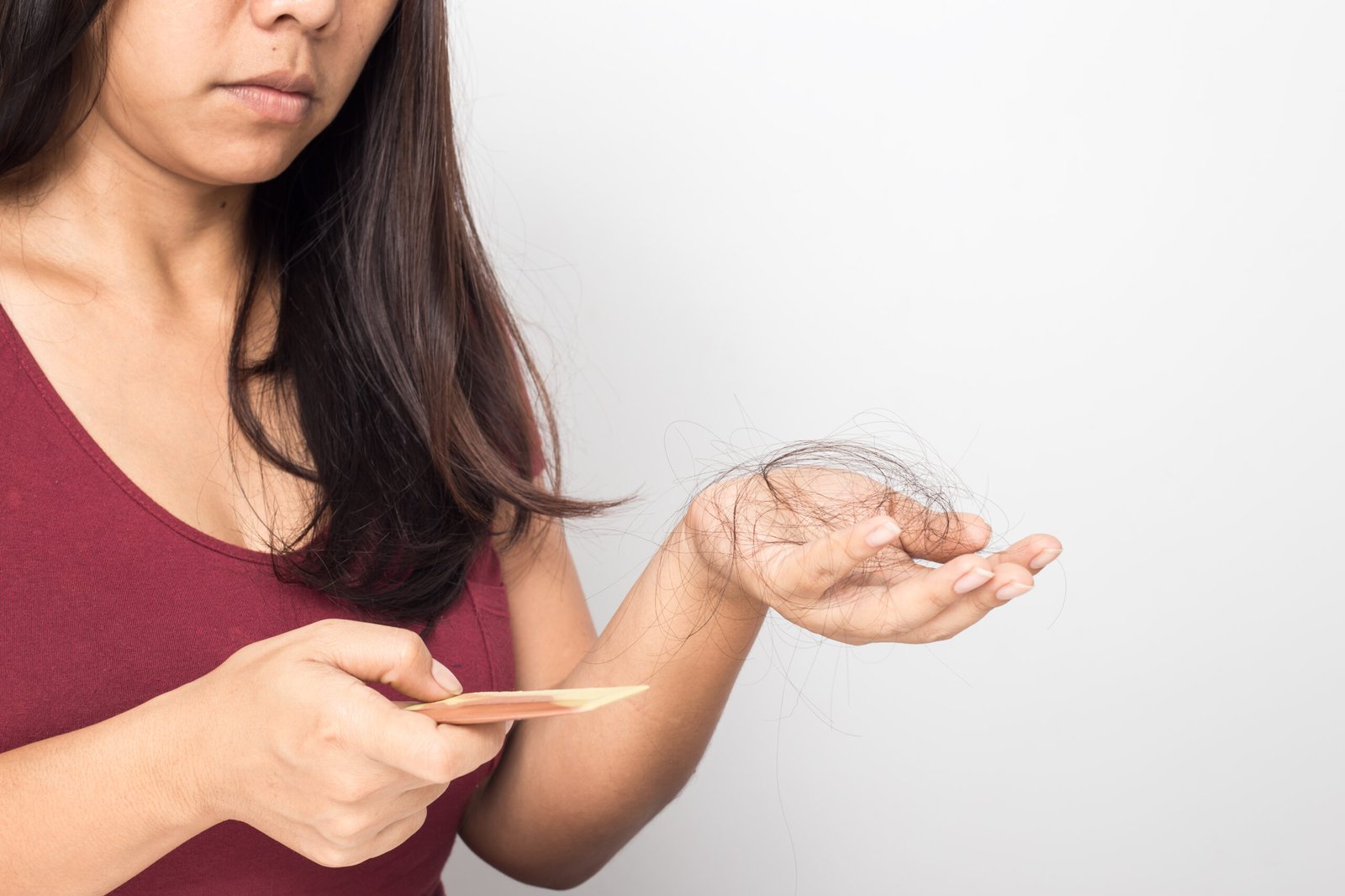
- More strands in your brush, drain, or pillow
- Thinner ponytails
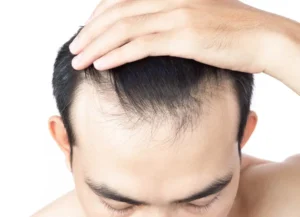
- Noticeable thinning at the temples or hairline
- Clumps of hair falling out during washing
While it can feel alarming, most postpartum shedding is temporary and resolves without medical treatment.
How to Support Recovery: Tips That Help/Hair Loss After Pregnancy
While you can’t stop postpartum shedding altogether (it’s biologically driven), you can take steps to support regrowth and maintain scalp health during the recovery phase.
1. Be Gentle With Your Hair
Your hair is in a fragile state—treat it with kindness.
- Avoid tight hairstyles like buns or braids that pull on the scalp
- Use a wide-tooth comb to minimize breakage
- Limit heat styling, chemical treatments, and vigorous brushing
2. Focus on Nutrient-Rich Foods
Hair recovery starts from within. A well-balanced postpartum diet supports not only your hair but also your overall healing.
- Protein (chicken, tofu, lentils) — hair is made of keratin, a protein
- Iron (leafy greens, beans) — prevents anemia-related shedding
- Biotin & Zinc (eggs, nuts, seeds) — essential for healthy follicles
- Omega-3s (salmon, flaxseeds) — promote scalp hydration
If you’re breastfeeding, speak with your doctor before introducing new supplements.
3. Keep Taking Prenatal Vitamins
Continue your prenatal or postnatal multivitamin, especially if you’re nursing. These typically include essential nutrients like folic acid, vitamin D, and iron that can support hair and hormonal balance Hair Loss After Pregnancy.
4. Stay Hydrated and Rested
Easier said than done, right? But hydration and sleep are vital to cellular repair—including hair follicles.
- Drink plenty of water throughout the day
- Accept help when offered so you can rest
- Sneak in naps when your baby sleeps (yes, the old advice is still gold)
5. Scalp Massage for Circulation
Boost blood flow to the scalp with gentle daily massages:
- Use your fingertips or a silicone scalp brush
- Apply light pressure in circular motions for 5–10 minutes
- Consider natural oils like rosemary, coconut, or castor oil (patch test first) 3 proven hair oil
6. Speak With a Dermatologist
If your hair hasn’t started recovering by 12 months postpartum or shows signs of thinning in specific areas (like a widening part or bald patches), consult a specialist.
They may explore:
- Hormonal levels (including thyroid function)
- Iron or ferritin levels
- Scalp health and potential underlying conditions
- Topical treatments or prescription options, if necessary
Your Hair Will Come Back—So Will Your Confidence/Hair Loss After Pregnancy
It’s easy to feel self-conscious during this phase, especially with the added pressures of new motherhood. But remember: this stage is temporary.
You’ve just created and nurtured life—your body is recalibrating in incredible ways. In a matter of months, most women find their hair returning to its normal fullness/ Hair Loss After Pregnancy
Final Thoughts/Hair Loss After Pregnancy
Hair loss after pregnancy can be jarring, but it’s a normal, manageable part of the postpartum journey. By understanding what’s happening and supporting your body with nourishment, gentle care, and patience, you’ll likely see regrowth begin naturally.
Let go of the pressure to “bounce back” and instead give yourself grace. Your body has done something miraculous. A few extra hairs on the pillow don’t diminish that.