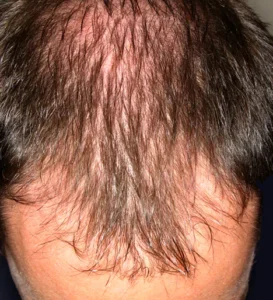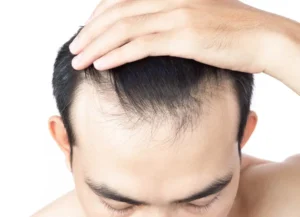

Hair Loss After Pregnancy
Top Ingredients for a Healthy Scalp: Tea Tree, Salicylic Acid, and More
Because beautiful hair begins with a balanced scalp.
✨ Introduction: Why Scalp Ingredients Matter
When it comes to hair care, most people focus on shampoos, conditioners, or styling products. But if you’re skipping what’s underneath — your scalp — you’re missing the most important step to achieving strong, shiny, and fast-growing hair.
Just like skincare, your scalp needs targeted, nourishing ingredients to stay balanced and functional. From tea tree oil to salicylic acid, the right actives can transform your scalp from flaky and inflamed to fresh and thriving.
In this blog, we’ll break down the top ingredients for a healthy scalp, what they do, and how to use them — whether you’re dealing with dandruff, oiliness, itchiness, or hair loss.
🧪 1. Tea Tree Oil: Nature’s Antifungal Powerhouse: Hair growth
Best for: Dandruff, irritation, scalp acne
Tea tree oil is a natural antiseptic and antifungal oil extracted from the Melaleuca alternifolia plant. It’s known to:
Combat fungal infections that cause dandruff
Reduce itching and flakiness
Help clear up clogged pores and scalp acne
Soothe minor inflammation
✅ aap ise kaise used kare : Mix a few drops with a carrier oil (like jojoba or coconut) and massage into your scalp. You can also look for shampoos that list tea tree oil as a key ingredient.
⚠ Pro tip: Don’t use undiluted tea tree oil — it’s too strong and can cause irritation.
🧴 2. Salicylic Acid: The Exfoliating MVP: Hair Loss
Best for: Oily scalp, product buildup, seborrheic dermatitis
Salicylic acid (a beta-hydroxy acid or BHA) is commonly used in skincare for acne and exfoliation. On the scalp, it helps:
Break down dead skin cells
Clear oil and sebum buildup in hair follicles
Prevent dandruff and excess oil
Promote a cleaner, flake-free scalp
✅ How to Use It: Use a scalp treatment or shampoo with 1–2% salicylic acid once or twice a week. Leave it on for a few minutes before rinsing.
⚠ Avoid daily use to prevent over-drying the scalp.
💧 3. Niacinamide: The Skin-Soothing Vitamin: Hair Loss
Best for: Inflammation, barrier repair, hair growth
Niacinamide (Vitamin B3) is a rising star in both skincare and scalp care. It:
Soothes irritation
Strengthens the scalp barrier
Regulates oil production
Improves blood flow to the scalp
Helps support healthy hair growth
✅ How to Use It: Apply a niacinamide scalp serum 2–3 times per week, especially after cleansing.
🌿 4. Rosemary Oil: A Natural Hair Growth Booster: Hair Loss
Best for: Thinning hair, poor circulation, hair regrowth
Rosemary oil is scientifically backed as a natural alternative to minoxidil (Rogaine). Its benefits include:
Stimulating blood flow to the hair follicles
Supporting thicker hair regrowth
Reducing hair shedding
Offering antioxidant protection
✅ How to Use It: Mix a few drops with a carrier oil and apply 1–2 times a week. You can also find it in hair serums and growth oils.
🧪 A 2015 study found rosemary oil to be as effective as 2% minoxidil for hair growth after 6 months.
🧖 5. Hyaluronic Acid: Ultimate Scalp Hydration: Hair Loss
Best for: Dry scalp, tightness, flaking
Hyaluronic acid isn’t just for your face — it helps hydrate the scalp without making it greasy. It draws moisture into the skin, helping:
Relieve dryness or tightness
Reduce scalp flaking
Create a healthier base for follicles
✅ How to Use It: Apply a lightweight hyaluronic acid scalp serum on clean, damp hair, ideally after washing.
🌟 6. Zinc Pyrithione: The Dandruff Fighter: Hair Loss
Best for: Chronic dandruff, seborrheic dermatitis, oily scalp
Zinc pyrithione is a dermatologist-recommended antifungal and antibacterial agent that:
Reduces Malassezia yeast (a root cause of dandruff)
Controls oil and itchiness
Helps eliminate scalp irritation
✅ How to Use It: Found in medicated anti-dandruff shampoos. Use 2–3 times a week or as directed by your dermatologist.
🌰 7. Jojoba Oil: Balancing Natural Moisture: Hair Loss
Best for: All scalp types, especially sensitive or dry
Jojoba oil closely mimics your scalp’s natural sebum, helping to:
Restore moisture without clogging follicles
Soothe sensitive skin
Remove excess product residue
Balance oil levels
✅ How to Use It: Warm a small amount and massage into your scalp before washing, or use it as a post-wash treatment.
⚖ Choosing the Right Ingredients for Your Scalp Type
Scalp Type
Recommended Ingredients
Oily & Itchy
Salicylic Acid, Tea Tree Oil, Zinc Pyrithione
Dry & Sensitive
Hyaluronic Acid, Jojoba Oil, Niacinamide
Thinning Hair
Rosemary Oil, Niacinamide, Caffeine
Dandruff-Prone
Zinc Pyrithione, Tea Tree Oil, Salicylic Acid
Normal/Balanced
Niacinamide, Jojoba Oil, Aloe Vera
📝 Hair Loss After Pregnancy Final Thoughts: Feed Your Roots with the Right Ingredients
A healthy scalp isn’t a luxury — it’s a necessity for strong, vibrant hair. By incorporating proven ingredients like tea tree oil, salicylic acid, rosemary oil, and niacinamide, you can tackle scalp issues head-on and create the perfect environment for hair to thrive.
Start treating your scalp like skin, and your hair will thank you.
📢 Ready to Level Up Your Hair Routine/Hair Loss After Pregnancy?
Share this post with a friend who needs a scalp reboot, save it to Pinterest, or post it on your Instagram story. Let’s start the scalp care revolution — because healthy roots grow better hair.