Hair Loss Anxiety
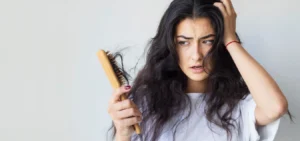
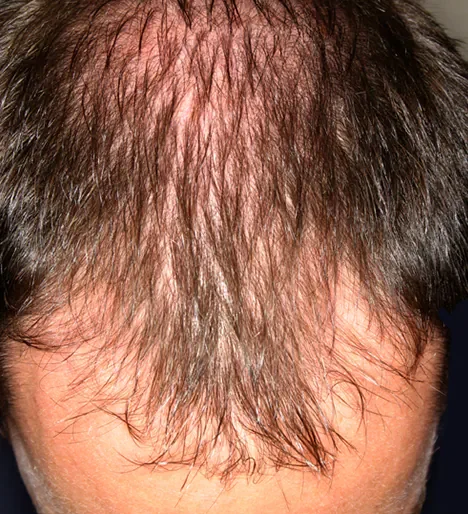
Hair Loss Anxiety treated as a cosmetic issue—but for many, it’s deeply emotional. The moment you begin to notice extra strands in the shower drain or a widening part in the mirror, the anxiety can creep in. You’re not imagining it: the psychological impact of hair loss is real, and it can affect your confidence, self-image, and even relationships.
This post isn’t just about the hair on your head—it’s about the thoughts that come with losing it, and how to care for your mental health through the process.
The Hidden Weight of Hair Loss Anxiety
Hair is closely tied to personal identity. It’s a form of self-expression, a cultural symbol, and often a source of pride. So when it begins to thin or fall out, it can trigger a cascade of emotions:
- Stress or panic
- Shame or embarrassment
- Social withdrawal
- Obsessive thoughts or behaviors
- Depression or loss of self-esteem
In some cases, the anxiety around hair loss can become more distressing than the physical change itself.
Why Hair Loss Feels So Personal/Hair Loss Anxiety
What makes hair loss emotionally intense for so many people?
- It’s visible. We see ourselves every day, and changes in appearance are hard to ignore.
- It often feels uncontrollable. Many forms of hair loss are genetic or hormone-related, making sufferers feel powerless.
- Society equates hair with youth and vitality. The fear of appearing older or “less attractive” can magnify the emotional toll.
Recognizing these feelings is the first step toward managing them.
Mental Health Tips for Coping With Hair Loss Anxiety
There’s no one-size-fits-all approach to easing anxiety, but the following strategies can help you stay grounded and emotionally resilient.
1. Acknowledge the Grief Process
Yes—grief. Hair loss, like any major change, can come with denial, anger, bargaining, sadness, and eventually acceptance. Let yourself feel what you need to feel. Suppressing your emotions may delay healing.
Give yourself permission to be upset—then move toward compassion and healing.
2. Talk to Someone You Trust
Whether it’s a friend, therapist, or support group, sharing your experience can relieve emotional weight. You’re not alone—and speaking about it often reduces the fear surrounding it.
- Join online communities for people experiencing hair loss
- Seek a therapist familiar with body image concerns or medical hair loss
3. Limit Mirror Checks and Hair Comparisons
Constantly checking your scalp or comparing photos from “before and after” may fuel obsessive thinking.
Try setting boundaries:
- Check your hair only once per day
- Avoid obsessively measuring hairlines or taking frequent selfies
- Unfollow triggering social media accounts or hashtags
4. Practice Mindfulness and Grounding
Anxiety lives in the future—what if I go bald? What will people think?
Mindfulness techniques like deep breathing, journaling, or body scans can bring you back to the present. Apps like Headspace or Calm offer simple ways to begin if you’re new to the practice.
5. Shift Focus to What You Can Control
While you may not be able to stop every strand from falling, there are elements you can influence:
- Nutrition and scalp care
- Stress management
- Sleep and hydration
- Consulting a dermatologist or trichologist
Taking proactive steps—even small ones—can help restore a sense of control and reduce helplessness.
6. Redefine Beauty and Identity
Hair is just one part of who you are. Redirect energy toward aspects of your appearance or personality that you love.
- Experiment with new hairstyles, cuts, or headwear
- Focus on skincare, fashion, or fitness goals
- Reconnect with hobbies that make you feel confident
Confidence doesn’t require a full head of hair—it grows from the inside out.
When to Seek Professional Help/Hair Loss Anxiety
If your anxiety feels overwhelming, persistent, or interferes with daily life, don’t hesitate to seek help. You may be dealing with:
- Body Dysmorphic Disorder (BDD)
- Depression
- Obsessive-compulsive tendencies
A licensed therapist or psychologist can offer treatment options tailored to your experience. You deserve support.
Healing Beyond Hair
Hair loss may feel like the end of something—but it can also be the beginning. The beginning of self-acceptance. The beginning of letting go of society’s narrow definitions of beauty. And the beginning of showing up for yourself in a deeper, more authentic way.
You are not your hair. You are your courage, your character, your kindness—and that never falls out.
Final Thoughts: Hair Loss Anxiety
If you’re navigating hair loss anxiety, know that your emotions are valid. But also know this: healing is possible. By acknowledging your feelings, seeking support, and focusing on holistic well-being, you can regain not just confidence—but peace.
Hair may change, but your worth never does.