Every beauty product we love has a label—sometimes long, sometimes hard to pronounce, and often full of mystery. Among the most talked-about ingredients in recent years are three that have gained both fame and notoriety: silicones, sulfates, and parabens.
For decades, these ingredients have been praised for performance: shine, lather, preservation. But now, more consumers are turning their bottles around and asking deeper questions—what are these ingredients actually doing to my skin and scalp?
Let’s break down what these compounds are, how they work, and what you need to know before deciding whether they belong in your routine.
What Are Silicones, Sulfates, and Parabens?
Before we can understand how they affect your skin and scalp, we need to know what they do.
Silicones(Gut Detox)
Silicones are synthetic compounds often used in conditioners, serums, and styling products. They coat the hair and skin with a thin, smooth layer that adds shine, reduces frizz, and enhances slip.
Sulfates
Sulfates, such as sodium lauryl sulfate (SLS) and sodium laureth sulfate (SLES), are cleansing agents found in shampoos, face washes, and even toothpaste. They’re responsible for that satisfying lather that gives the feeling of being “really clean.”
Parabens
Parabens are preservatives used to prevent the growth of bacteria and mold in cosmetics and personal care products. They extend shelf life and keep formulations stable.
While all three were initially celebrated for their functionality, the conversation has shifted to their long-term impact on our bodies—especially the delicate ecosystem of our skin and scalp.
Silicones: Smooth Now, But At What Cost?
Silicones make hair look glossy and feel silky. On the skin, they create a velvety finish and help makeup glide on easily. But the benefits are mostly superficial.
Concerns:
- Build-Up Over Time: Silicones are water-insoluble, meaning they don’t easily rinse away. This can lead to product accumulation on both hair and scalp.
- Blocked Pores and Follicles: On the scalp and skin, this film can trap dirt, sweat, and oil underneath, contributing to clogged pores and reduced follicle oxygenation.
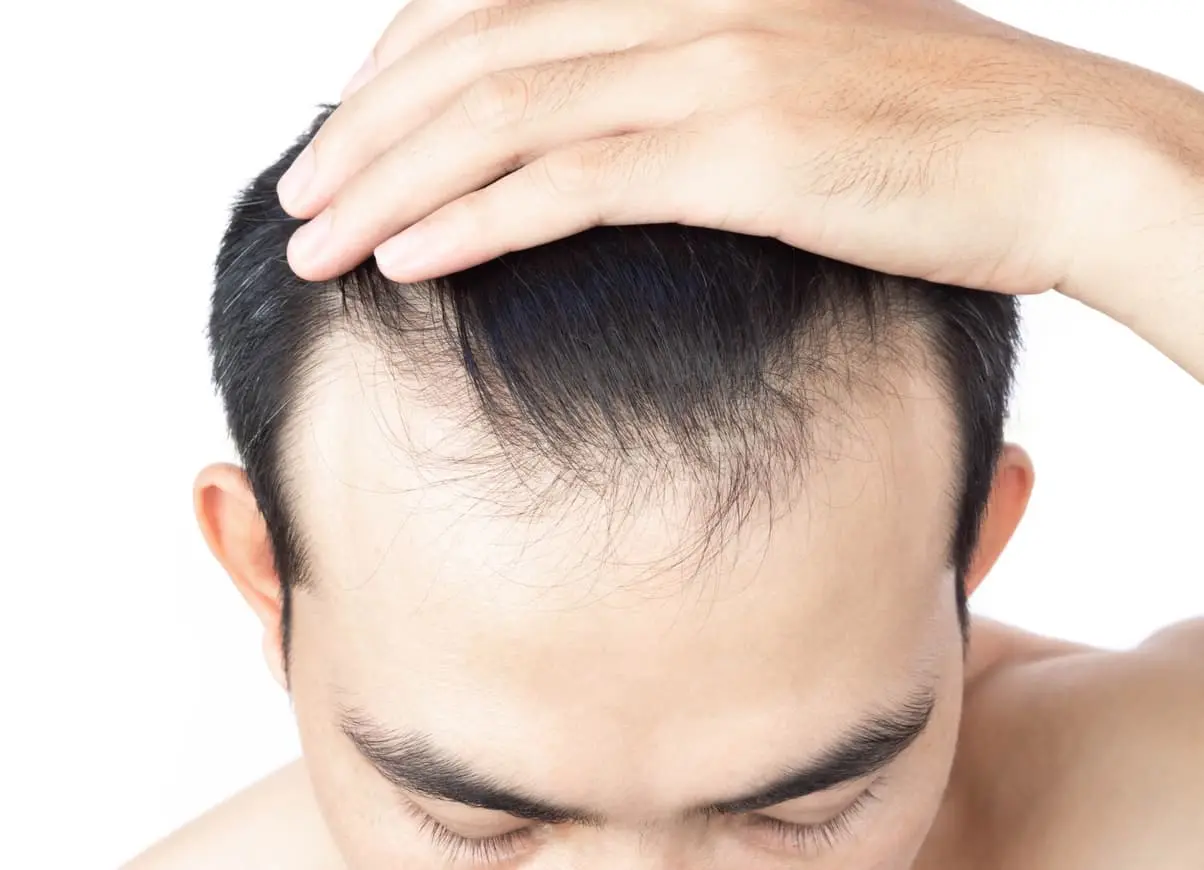
- Dullness and Fragility: Over time, buildup can leave hair limp and dull, while clogged follicles may contribute to irritation or even hair thinning.
If you use a lot of styling products or wash your hair infrequently, silicone accumulation may be more of an issue than you think.
Sulfates: Deep Clean or Too Harsh?
Sulfates are loved for their foamy, squeaky-clean finish. But sometimes, they’re a little too good at their job.
Concerns:
- Strips Natural Oils: Sulfates can remove not only dirt but also the natural sebum that keeps skin and scalp moisturized.
- Disruption of pH Balance: Your scalp and skin thrive at a slightly acidic pH. Sulfates may shift that balance, leading to dryness, flaking, or sensitivity.
- Color and Texture Damage: In hair, harsh sulfates can strip color, weaken strands, and worsen frizz.
Those with dry, sensitive skin or conditions like eczema or psoriasis may experience more pronounced irritation with sulfate-heavy products.
Parabens: Protective or Problematic?
Parabens have long been the go-to for keeping products shelf-stable, especially in moist environments like the shower. But concerns around their safety have brought them under public scrutiny.
Concerns:
- Hormone Disruption Potential: Some studies suggest parabens can mimic estrogen in the body, raising questions about their long-term hormonal effects.
- Skin Sensitivity: Parabens may cause allergic reactions or irritate already sensitive skin types.
- Cumulative Exposure: Because parabens are found in so many products, small daily doses can add up.
While regulatory agencies still deem them safe at low levels, growing consumer demand has pushed many brands to explore alternative preservatives.
The Scalp-Skin Connection
We often treat our scalp and skin as separate entities, but the truth is: they’re part of the same system. What irritates or inflames one area often affects the other.
For example:
- Dry, irritated skin on your face? That tightness may be mirrored on your scalp.
- Breakouts along the hairline? Could be due to product buildup or silicone-heavy formulas.
- Flaky, red scalp? Harsh cleansers like sulfates could be stripping its natural defense barrier.
Understanding the connection means making smarter choices—not just for glowing skin, but for healthier, stronger hair from the root up.
How to Make Better Product Decisions/ Silicones
You don’t need to throw away your entire bathroom cabinet, but a few conscious swaps can help rebalance your routine:
- Choose rinse-out products wisely. If a shampoo or conditioner contains silicones, ensure it’s thoroughly washed out or balanced with regular clarifying treatments.
- Look for milder surfactants. Alternatives like coco-glucoside or sodium cocoyl isethionate offer gentle cleansing without stripping.
- Check for paraben alternatives. Ingredients like ethylhexylglycerin or potassium sorbate serve similar preservative roles with a gentler profile.
- Listen to your body. If your scalp is itchy, dry, oily, or sensitive, don’t just treat symptoms. Reevaluate the ingredients you’re using daily.
Final Thoughts: More Than Just a Label/ Silicones
Silicones, sulfates, and parabens aren’t inherently evil—but they aren’t always the best match for everyone. Your skin and scalp are dynamic, delicate systems that deserve attention, balance, and respect.
Instead of falling for fear-mongering or buzzwords, empower yourself with knowledge. Look at how your skin and scalp respond, not just how your hair looks right after washing.
Because in the long run, a healthy scalp and radiant skin aren’t just about what you put on them — they’re about what you choose to leave out.