🔹 Introduction: Why Protein is the Key to Fitness
If you’re trying to lose weight or gain muscle, there’s one nutrient you can’t ignore—protein. Whether you’re working out or just trying to eat healthier, protein plays a major role in helping you stay strong, full, and fit.
A high-protein diet helps burn fat, keeps you full for longer, and builds lean muscles. It also improves your metabolism, which makes your body burn more calories—even when you’re resting.
In this blog, we’ll explore the top 7 high-protein foods that are perfect for weight loss and muscle gain. These foods are easy to find, simple to cook, and suitable for both vegetarians and non-vegetarians.
🔹 Problem: Why Do Many People Struggle With Protein?
In today’s fast-food lifestyle, most people eat more carbs and fats but forget about protein. This can lead to several health problems, especially if you’re trying to lose weight or build muscle.
Common Problems Caused by Low Protein Intake:
- Slow weight loss
- Poor muscle recovery after workouts
- Frequent hunger and cravings
- Low energy and weakness
- Hair thinning or loss
- Poor immunity
These issues affect not only gym-goers but also people trying to eat clean or stay active.
🔹 Symptoms of Low Protein in Diet
If you’re not eating enough protein, your body will show some clear signs. Here are the symptoms to watch out for:
- Constant hunger, even after meals
- Tiredness and lack of stamina
- Weak hair, nails, or skin
- Muscle loss or poor strength
- Slow healing wounds
- Brain fog and difficulty focusing
If you notice these symptoms, it’s time to add more protein-rich foods to your meals.
🔹 Solution: Top 7 High-Protein Foods for Weight Loss & Muscle Gain
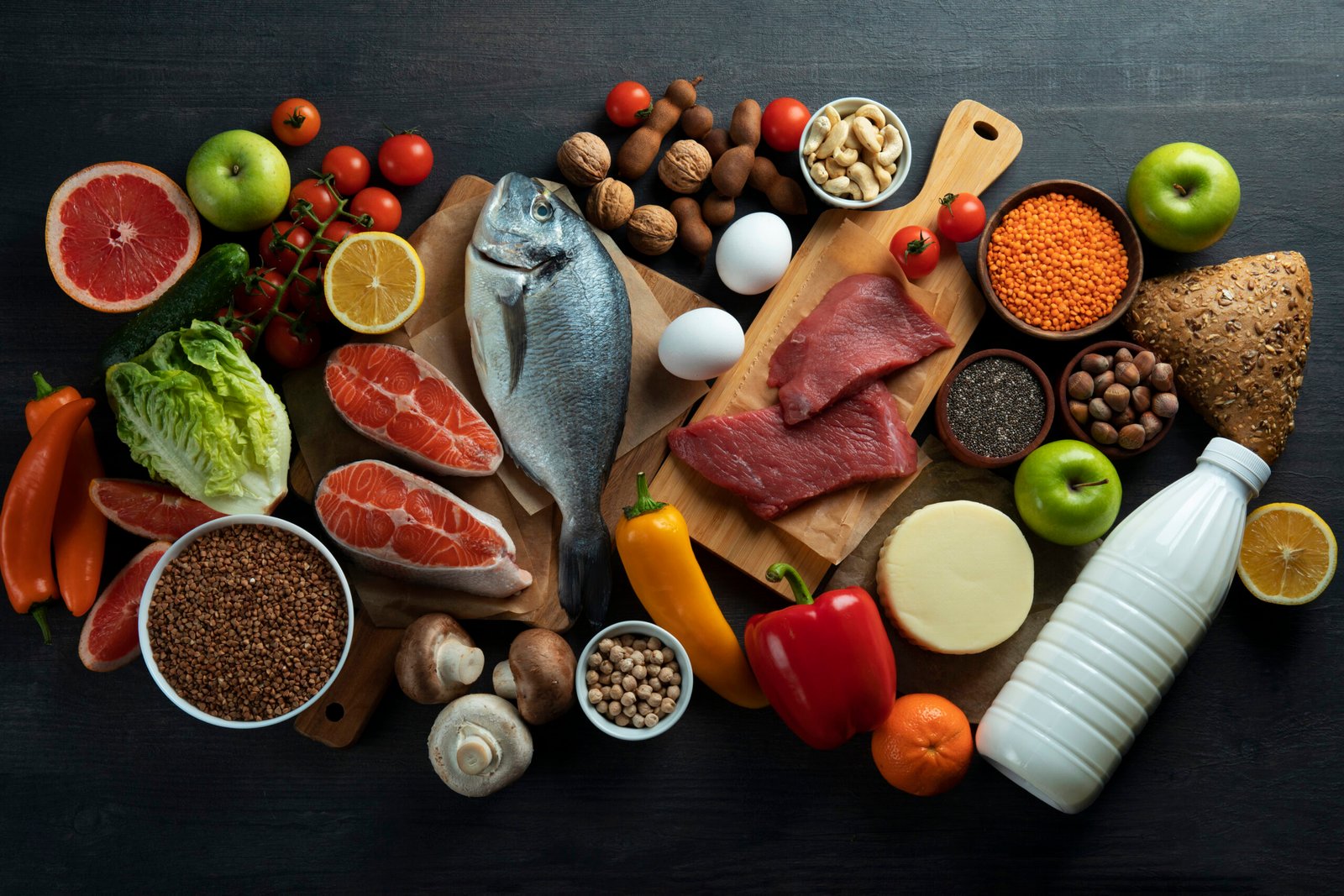
Here are the best high-protein foods that can help you burn fat and build lean muscle. These options are tasty, filling, and full of nutrients your body needs.
✅ 1. Eggs – The Complete Protein
Why they’re great: Eggs are packed with high-quality protein, vitamins, and healthy fats. One egg contains about 6 grams of protein.
Best ways to eat: Boiled, scrambled, omelet, or poached
Ideal time: Breakfast or post-workout
Tip: Don’t skip the yolk! It contains essential nutrients like Vitamin D and choline.
✅ 2. Greek Yogurt – High Protein and Gut-Friendly
Why it’s great: Greek yogurt has twice the protein of regular yogurt. It’s also rich in probiotics, which support digestion.
Protein content: Around 10 grams per 100g
Best ways to eat: As a snack, in smoothies, or with fruits and nuts
Tip: Choose unsweetened or low-fat versions for weight loss.
✅ 3. Chicken Breast – Lean and Powerful
Why it’s great: Chicken breast is one of the best animal-based protein sources. It’s low in fat and high in protein, ideal for muscle building.
Protein content: About 30 grams per 100g
Best ways to eat: Grilled, roasted, or boiled
Tip: Avoid fried chicken. Go for steamed or grilled versions with herbs.
✅ 4. Lentils (Dal) – Plant-Based Protein Powerhouse
Why they’re great: Lentils are packed with protein, fiber, and iron. Perfect for vegetarians and vegans.
Protein content: 9 grams per 100g (cooked)
Best ways to eat: As dal, soup, khichdi, or sprouts
Tip: Combine with rice or roti for a complete meal.
✅ 5. Cottage Cheese (Paneer) – Indian Favorite for Muscle Gain
Why it’s great: Paneer is rich in casein protein, which digests slowly. This makes it perfect for muscle recovery.
Protein content: Around 18 grams per 100g
Best ways to eat: Grilled, in salads, or cooked as sabzi
Tip: Choose low-fat paneer if you’re trying to lose weight.
✅ 6. Tofu – Vegan Protein Hero
Why it’s great: Tofu is a plant-based protein made from soybeans. It’s great for people avoiding meat and dairy.
Protein content: About 10 grams per 100g
Best ways to eat: Stir-fry, salad topping, or grilled
Tip: Marinate tofu before cooking for better taste and flavor.
✅ 7. Almonds and Other Nuts – Protein + Healthy Fats
Why they’re great: Nuts like almonds, peanuts, and walnuts offer a mix of protein, fiber, and healthy fats.
Protein content: Almonds have 6 grams per 28g (about 23 almonds)
Best ways to eat: As snacks, nut butter, or added to smoothies
Tip: Eat in moderation, as nuts are calorie-dense.
🔹 How to Add Protein to Every Meal
You don’t have to change everything overnight. Here’s how you can add protein-rich foods to your daily routine:
| Meal Time | Protein Addition Example |
|---|---|
| Breakfast | Eggs, Greek yogurt, nut butter |
| Lunch | Grilled chicken, dal, paneer |
| Snack | Roasted chana, boiled eggs, nuts |
| Dinner | Tofu stir-fry, lentil soup, fish |
| Post-workout | Protein smoothie with seeds or peanut butter |
Bonus tip: Add chia seeds, flaxseeds, or sunflower seeds to your smoothies or salads for extra protein and fiber.
🔹 Frequently Asked Questions (FAQs)
❓Q1: How much protein do I need daily?
It depends on your weight and goals. On average:
- Women: 45–60g/day
- Men: 55–80g/day
- For muscle gain: 1.2–2.0g per kg of body weight
❓Q2: Can high-protein foods help me lose belly fat?
Yes! Protein keeps you full, reduces cravings, and increases metabolism. This helps reduce belly fat naturally when paired with exercise.
❓Q3: Is a high-protein diet safe for kidneys?
For healthy individuals, a high-protein diet is safe. But people with existing kidney issues should consult a doctor or dietitian.
❓Q4: What is the best time to eat protein?
Eat protein throughout the day. Post-workout meals rich in protein are best for muscle recovery and growth.
❓Q5: Are protein powders necessary?
Not always. Whole foods are best. But if you struggle to meet your daily protein needs, a quality protein powder can help.
🔹 Conclusion: Start Your Protein-Rich Journey Today
Adding more high-protein foods to your diet doesn’t need to be complicated. Whether your goal is weight loss, muscle gain, or just feeling more energetic, protein is your best friend.
🥗 Key Takeaways:
- Eat a variety of protein-rich foods (plant and animal-based)
- Balance your meals with fiber, healthy fats, and whole grains
- Stay consistent—small daily changes lead to big results
Start by adding just one high-protein food to your next meal. You’ll soon notice better energy, fewer cravings, and visible progress.
💬 Have a favorite protein-rich recipe? Share it in the comments! Want a printable protein food chart or a vegetarian muscle-building meal plan? Let us know—we’ll create one for you!
Would you like a social media caption, reel script, or Pinterest pin for this blog? I can prepare that too!